Tag : Tom Squitieri
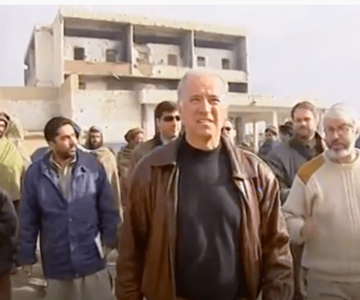
BIDEN OVERSAW THE REOPENING OF U.S. EMBASSY IN KABUL IN 2002; TODAY HE AUTHORIZES TROOPS TO HELP EVACUATE EMBASSY PERSONNEL AND OTHERS.
By Tom Squitieri WASHINGTON — The Pentagon is mobilizing around 6,000 troops to help evacuate and protect U.S. diplomatic personnel and qualified Afghans from Kabul, with the operation to begin within 24 to 48 hours, Pentagon officials said Thursday. Following the Pentagon announcement, officials in the U.K. and Germany said their governments areRead more
B-52, with new engines and more, outlasts upstarts to be more viable, vibrant and vicious
By Tom Squitieri, Talk Media News WASHINGTON — When the first B-52 bomber was rolled out in 1954, then Air Force Chief of Staff General Nathan Twining had what he thought was merely a timely observation. On that March day Twining said, “the long rifle was the great weapon of its day. Today this B-52Read moreBlack and White Corners
Black and White Corners~ By Tom Squitieri 6/4/2020 We fade to others, in the shade find Liberation Square to them Diamonds to us Stark black and white Produces the internal Rainbow shadow Where sharp lines on Outsides Be the ruse for The melding that Beckons One day the lines join in the corner To dazzle othersRead moreA Fat Wallet, Chapter One
._.—–;-‘<“, “‘”‘”~___f_’._.~,____ • ——~~—————————————————————— ONE It was raining outside of Puffy’s. No surprise. It had been raining allover the city for the last four days. When it slowed to a sprinkle, people pretended the sun was out, closed their umbrellas and acted like they were dry. Except for Ron Guerriero. He was hardly wet atRead moreFronds In The Sky
Fronds In The Sky (Published by Pomme Journal January 2020 in the book, “Put Into Words, My Love”)) The passing clouds Look thin to most Until they meet Your skin Then they come alive Open their vault Share the treasure With a like beauty Of nature The dusky skyline chortles watching the masses Move onRead moreThe Fireflies Path To The Pond
The Fireflies Path to The Pond (Twisted Vine, Fall 2019) Wander down the path With me To the pond To shed and swim Let’s watch a few stars Bounce off the water Play tag with Each other As they laugh and splash a comet And flounce in the moon’s smile Watered out We walk asRead moreShe Now Came Back
She Now Came Back by Tom Squitieri (May 22, 2020, in From Whispers To Roars) The calendar cackles As if charting a day A week, months Can substitute For a dearth of Radiance She went away Faint becomes dim Creativity gets Impatient Dreams dither With her Spring would come Frequently Each Sunday To lightRead moreThe Duke of Mustard is Alive and Well and Living in Beaune
Published November 16, 2019, in Wanderlust Journal BEAUNE, France — It comes to you with polite aggressiveness. You not know which sense to unleash first in order to fully savor, swoon and succumb. Caroline Riboteau watches you and just smiles. She knows exactly what is happening. Her eyes do not wander from the intense, amazing entryRead moreI Will Be There
I Will Be There~ By Tom Squitieri 4/23/2020 The Voices Project if you sit some day when the sun is out and the virus is gone, I will find you buy you coffee, read for you and create a poem right there.I promise the Bosnia bullets that smacked my arm the Haitian feet that kicked meRead moreThe War Left and the Coffee Returned
(Publshed in Wanderlust Travel Journal, August 25, 2019) SARAJEVO – Just about 6 p.m. an old familiar aroma begins its daily meandering trip onto Branilaca Street. It is a smell that instantly reminds the citizens of Sarajevo of past good times. It is coffee. Coffee being brewed. Coffee beans being ground. Coffee set in smallRead moreHere, There, Every Hare
Here, There, Every Hare The ears rise and the nose turns It’s out there somewhere Paws forward Body still As the last sun tweaks the visage The sky spilling its paints once more To keep us interested until tomorrow Still in the grass The hare at dusk He knows we are there. He believes ifRead moreThe Coyote Clears The Fog
THE COYOTE CLEARS THE FOG BY TOM SQUITIERI Jan 27, 2019 | Poetry | 2 | The capture of the morning is yours when you look. It settles my uncertainty. It tells me who I am. It makes the fog genuflect to open a pathway inside. Morning dances, with a melody still forming. TheRead more