
Posts

A Fat Wallet — Chapter One
It is over the hill where he had to go. Samuel Burroughs squinted hard at the horizon and his eyes thought he saw wisps of smoke rising. His heart told him it was smoke, maybe his silent, incorrect wish. His head said they were merely dirty clouds.Read more
“You Know The Conflagration That Will Come”
The Press Club bar closes early now, to the regret of many of the dwindling number of old timers. The younger members were full of energy as they dashed out to begin a weekend of holiday parties. The bar emptied as quickly as if it were 40 years ago and a hot story just broke.Read moreTags: Old Geezer
Tuberville Notches Another Historic Loss
By tom On Wednesday, December 06 th, 2023 · no Comments · In And more news stories ,News stories ,WritingBy Tom Squitieri Red Snow News WASHINGTON — Let’s call the score 439 to 0, with still some of the fourth quarter to play. On Tuesday, Sen. Tommy Tuberville, the Republican Senator from Alabama, released his months-long hold on 439 of 451 military promotions, following growing pressure and more vocal opposition from his own teammates.Read more
Battleship Tries Again To Score A Hit In The Toy Hall Of Fame
By tom On Thursday, November 09 th, 2023 · no Comments · In And more news stories ,Blog Postings ,News stories ,WritingBy Tom Squitieri Red Snow News WASHINGTON – The board game Battleship, a favorite at the Pentagon, will learn Thursday if it makes it to the National Toy Hall of Fame. It is the third attempt for the game, where competitors each place five battleships on a grid marked with letters and numbers, then tryRead more
As The Man In The Arena, Austin Faces A Ticking Clock, Wobbly Allies, And A Wallet Needing Refilled
By tom On Wednesday, October 25 th, 2023 · no Comments · In And more news stories ,Blog Postings ,News stories ,WritingBy Tom Squitieri Red Snow News BRUSSELS — When Lloyd Austin was a general dealing with the morass in Iraq in 2008, he was given the unenviable task of bringing order and victory to military operations in Basra and Sadr City. He managed to accomplish both over a period of four weeks, surprising many andRead more
With No Restrictions On Use, War Materials Fly To Israel And Surge Into Gaza, With One Mission: Attack
By tom On Sunday, October 15 th, 2023 · no Comments · In And more news stories ,Blog Postings ,News stories ,WritingBy Tom Squitieri Red Snow News NEVATIM AIR BASE, Israel — Before you begin to wander about and explore this air base in southeastern Israel, they offer up a clear tutorial. If you hear the siren, you have 90 seconds to run to the shelter to avoid the incoming. This base, the hub for U.S.Read more
It Will Be “Hamas’s Problem,” As The IDF War Room Plans “Something Off The Beaten Path”
By tom On Sunday, October 15 th, 2023 · no Comments · In And more news stories ,Blog Postings ,News stories ,WritingBy Tom Squitieri Red Snow News TEL AVIV, Israel — Four stories deep underground, the war room in the Kirya — Israel’s version of the Pentagon — is buzzing. A few hours earlier, the Israeli government gave Palestinians living in Gaza 24 hours to move south for their own safety. How they were to doRead more
“We Are Not There Yet” In Facing The Reality Of Putin And Russia, Analysts Say
By tom On Friday, October 06 th, 2023 · no Comments · In And more news stories ,Blog Postings ,News stories ,WritingBy Tom Squitieri Red Snow News WASHINGTON — As friends of Ukraine prepare for another NATO summit and another round of possible funding for Kiev, there are increasing warnings that the West is missing the larger picture of how Russian President Putin operates and how Moscow’s game plan is still afoot and pungent. “Our approachRead more
Austin’s Angola Stop Plays With An Ironic Historical Pivot
By tom On Thursday, September 28 th, 2023 · no Comments · In And more news stories ,News stories ,WritingBy Tom Squitieri Red Snow News WASHINGTON — When Defense Secretary Lloyd Austin set down in Angola this week, the buzz was all about the “historic” nature of the visit — the first U.S SecDef to visit Angola – and not how he pushed history to be rewritten. Angola, along with Afghanistan and Nicaragua, wereRead more
With Little Ammo Left To Give, The U.S. Goes Edgy And Relents On Cluster Munitions
By Tom Squitieri Red Snow News WASHINGTON — Civilian loath them and the military loves them for the same reasons : cluster bombs are incredibly deadly and efficient. And now the U.S is poised to provide cluster munitions to Ukraine — even though, according to some, that could be in violation of U.S law. TheyRead more
Caissons Stop Rolling, As Army Scrambles To Reverse, Improve Conditions That Put Arlington Horses In Jeopardy
By tom On Wednesday, May 10 th, 2023 · no Comments · In And more news stories ,News stories ,WritingBy Tom Squitieri Red Snow News WASHINGTON — One week after the Army privately touted its steps to improve the conditions for horses working at Arlington cemetery, it decided to shut down the Army’s Caisson platoon, the ceremonial horse unit that is the centerpiece of the service to carry the bodies of fallen troops forRead more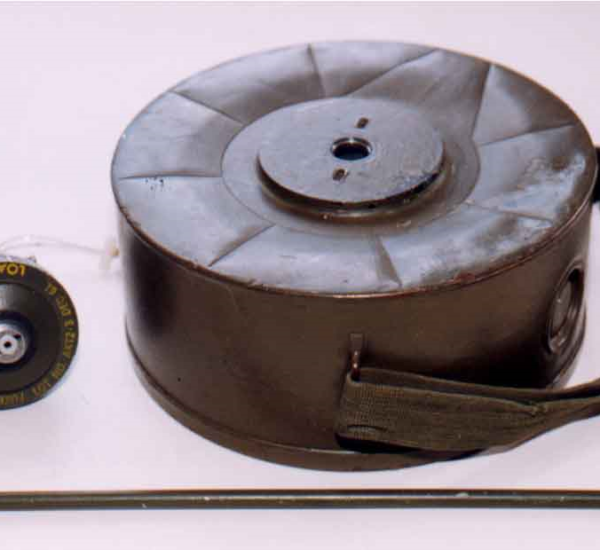
Pentagon again sends land mines to Ukraine with a wink and a nod
By tom On Saturday, April 22 nd, 2023 · no Comments · In And more news stories ,Blog Postings ,News stories ,WritingBy Tom Squitieri Red Snow News WASHINGTON — The Pentagon is upping its flow of land mine capability to Ukraine, looking the other way to the questionable use of land mines by both Ukraine and Russia in the current conflict. Cold War style anti-tank ladies are included in the latest military assistance package, $325 million,Read more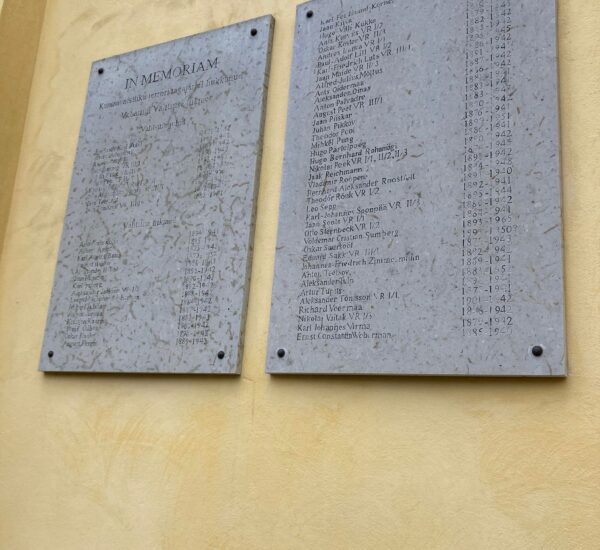
Estonia Makes It Clear: Putin Is Winning
By tom On Thursday, February 16 th, 2023 · no Comments · In And more news stories ,News stories ,WritingBy Tom Squitieri Red Snow News TALLINN, Estonia — There is no mystery to Estonians as to what Russian President Vladimir Putin’s plan is to win in Ukraine nor what he plans to do next, in the Baltics, as he waits out a battle of attrition that they say is in his favor. They knowRead moreTags: Baltics, Crimea, Estonia, Hanno Pevkur, Kaj Kallas, Kristjan Mäe, Lloyd Austin, NATO, Putin, Stenbock House, Ukraine